PPS film (polyphenylene sulfide film) is a high-performance engineering polymer film used in selected electrical insulation, capacitor and electronic applications. Its combination of thermal stability, electrical properties and chemical resistance makes it an option for applications where ordinary packaging or general-purpose films may not meet the required performance.
However, not every PPS film grade is suitable for every electrical or electronic application. Thickness, dielectric properties, mechanical strength, surface treatment and processing compatibility all need to be considered.
1. What Is PPS Film?
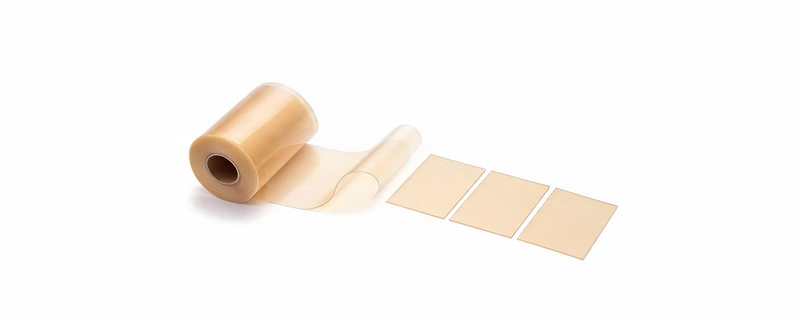
PPS is the abbreviation for polyphenylene sulfide, a semi-crystalline aromatic engineering thermoplastic. PPS film is produced through specialized film-forming processes, which may include melt extrusion and subsequent stretching or other controlled processing steps depending on the product.
The film format offers a thin, lightweight material that can be incorporated into electrical and electronic constructions. Compared with thick PPS sheets or rods, film is designed for applications requiring controlled thickness, insulation layers or flexible material handling.
PPS film is not simply a thinner version of every commercial PPS stock shape. Film grades are manufactured and specified for their own processing and performance requirements.
2. Key Properties of PPS Film
PPS film is selected for a combination of properties. Actual performance varies with film grade, thickness, manufacturing process and test conditions.
Thermal Performance
PPS is known for its thermal stability compared with many conventional thermoplastics. This makes certain PPS film grades suitable for electrical insulation and components exposed to elevated temperatures.
The maximum usable temperature should not be determined from the polymer name alone. Continuous temperature, short-term exposure, mechanical load and electrical stress can all affect service performance.
Electrical Insulation
Electrical insulation is one of the important reasons for using PPS film. Its dielectric behavior can make it suitable for selected capacitor and electrical insulation designs.
For actual design work, buyers should review dielectric strength, dielectric constant, dissipation factor, volume resistivity and the test conditions specified by the manufacturer.
Dimensional Stability
PPS film can provide useful dimensional stability in applications where changes in temperature and mechanical loading need to be controlled.
Film thickness uniformity, orientation, residual stress and thermal history may influence dimensional behavior. These factors are particularly important in precision lamination and electronic assemblies.
Chemical Resistance
PPS generally offers resistance to many chemicals. Nevertheless, chemical resistance is not unlimited. The actual chemical, concentration, temperature and exposure time should be checked before use.
Mechanical Properties
Tensile strength, elongation, tear behavior and flexibility depend on film construction and grade. These properties should be evaluated against the mechanical demands of winding, handling, assembly and long-term service.
3. PPS Film for Capacitor Dielectrics
One important application of PPS film is its use as a dielectric material in selected film capacitors. The film acts as an insulating layer between conductive electrodes and helps determine the electrical behavior of the capacitor.
PPS film may be considered for capacitor designs where electrical properties and thermal performance are important selection factors.
The suitability of a film depends on more than its polymer type. Important parameters include:
- Film Thickness: Influences dielectric design and the electrical characteristics of the capacitor.
- Dielectric Strength: Indicates resistance to electrical breakdown under defined test conditions.
- Dielectric Constant: Affects capacitance and electrical design.
- Dissipation Factor: Relevant to dielectric losses and operating frequency.
- Thickness Uniformity: Important for consistent electrical performance.
- Thermal Stability: Must match the capacitor's operating temperature and expected service conditions.
Capacitor manufacturers should evaluate the film using the supplier's technical data and their own component design and qualification tests.
4. Electrical Insulation and Motor Applications
PPS film can also be considered for selected electrical insulation constructions. Potential applications include insulating layers in electrical equipment, motor-related components and other assemblies where a thin polymer insulation material is required.
Motor Insulation
In motor systems, insulating materials may be used between conductors, coils and other components. The choice of film depends on temperature class, electrical stress, mechanical handling and the overall insulation system.
A film that performs well in a laboratory test is not automatically suitable for every motor insulation design. Compatibility with varnishes, adhesives, winding processes and other insulation materials must also be checked.
Electrical Equipment
PPS film may be evaluated for selected insulation layers, separators and components in electrical equipment. The final design should consider dielectric requirements, temperature cycling, mechanical stress and long-term reliability.
5. PPS Film in Electronics and Flexible Circuits
PPS film can be considered for certain electronic materials and laminate constructions. Its thermal and dimensional characteristics may be useful in selected applications.
However, PPS film should not be treated as a universal replacement for polyimide film in flexible printed circuits.
Before selecting PPS for an FPC-related construction, check the following:
- Compatibility with copper foil and conductive layers.
- Adhesion performance and surface treatment requirements.
- Lamination temperature and pressure.
- Flexibility and repeated bending requirements.
- Dimensional changes during processing.
- Compatibility with adhesives, coatings and other layers.
The complete laminate construction, rather than the film material alone, determines whether a design will perform reliably.
6. PPS Film vs PI Film vs PET Film
PPS, PI and PET films are all used in industrial applications, but they are not interchangeable. Their relative suitability depends on temperature, electrical performance, flexibility and cost.
PPS Film: A semi-crystalline engineering polymer film considered for selected electrical, capacitor and industrial insulation applications. It offers a useful combination of thermal, electrical and chemical characteristics.
PI Film: Polyimide film is widely used in high-temperature electrical insulation and flexible electronics. It is often selected where higher temperature capability or repeated flexing is required, subject to the specific grade and construction.
PET Film: Polyester film is widely used for general electrical insulation, packaging and industrial applications. It can be an economical choice where its temperature and mechanical limits meet the design requirements.
The correct material should be selected by comparing actual datasheets and application requirements, not by assuming that one polymer is always better than another.
7. When Should You NOT Use PPS Film?
Although PPS film offers useful performance, it is not the best choice for every application. Alternative materials may be more suitable in the following situations.
- Very High Flexibility Requirements: If the film must undergo repeated tight bending, a suitable PI or other flexible film construction may be more appropriate.
- Very High Temperature Requirements: If the service temperature exceeds the capability of the selected PPS film grade, another material should be evaluated.
- Specialized FPC Designs: Some flexible circuit constructions require specific adhesion, lamination and bending performance that may favor established PI-based systems.
- Aggressive Chemical Exposure: Strong oxidizing chemicals and other aggressive environments require a specific compatibility review.
- Cost-Sensitive General Applications: If the application does not need PPS performance, PET or another general-purpose film may be a more economical solution.
8. PPS Film Thickness, Width and Specifications
PPS film is available in different thicknesses and formats depending on the manufacturer's production capabilities and product range.
There is no single universal thickness range that applies to every PPS film supplier. Buyers should confirm the available specifications directly.
When requesting a quotation, consider the following:
- Thickness: Required nominal thickness and allowable variation.
- Width: Standard roll width or custom slitting width.
- Format: Roll, sheet or converted format.
- Surface: Standard, treated, coated or other specified finish.
- Electrical Data: Dielectric strength and other relevant electrical properties.
- Mechanical Data: Tensile properties, elongation and dimensional behavior.
- Quantity: Required roll length, sheet quantity or total order volume.
For capacitor and electronic applications, thickness uniformity and surface quality may be especially important. These requirements should be discussed before ordering.
9. Processing, Storage and Handling
PPS film should be handled carefully to protect its surface and maintain its dimensional condition. Scratches, creases, contamination and uncontrolled handling can affect downstream processing.
Storage Conditions
- Keep film in its original protective packaging where possible.
- Store in a clean and dry environment.
- Protect rolls and sheets from dust and surface contamination.
- Avoid excessive mechanical pressure and deformation.
- Follow the supplier's recommended storage conditions and shelf-life guidance, where applicable.
Processing Considerations
Slitting, cutting, winding, lamination and other conversion operations should be matched to the film's thickness and mechanical characteristics.
For multilayer constructions, confirm compatibility with adhesives, coatings, conductive materials and the required thermal processing conditions.
Any drying, preheating or conditioning procedure should follow the specific product manufacturer's technical recommendations rather than a universal assumption.
10. How to Select the Right PPS Film Supplier
For industrial and electrical applications, selecting the right supplier is not only about price. Consistent film quality and accurate technical information are important for production reliability.
Before placing an order, consider:
- Whether the supplier can identify the exact PPS film grade.
- Whether technical datasheets are available for review.
- Whether thickness and width specifications match your design.
- Whether the supplier can discuss electrical and thermal requirements.
- Whether roll or sheet formats meet your processing needs.
- Whether packaging and shipment arrangements suit your project.
For a new application, it is advisable to evaluate samples and confirm performance before moving to larger production quantities.
11. PPS Film Supply from Teda Plastics
Teda Plastics supplies high-performance engineering plastic materials for industrial and technical applications. We support overseas buyers looking for suitable polymer materials and customized supply solutions.
If you are sourcing PPS film for capacitor, electrical insulation or other industrial applications, share your required specifications with our team.
To help us understand your requirements, please include the intended application, film thickness, width, roll or sheet format, quantity and any available technical specification.
Our team can review your inquiry and discuss suitable material options based on the project requirements.
Frequently Asked Questions About PPS Film
1. What is PPS film?
PPS film is a thin film made from polyphenylene sulfide, a semi-crystalline engineering thermoplastic. It is used in selected electrical, electronic, capacitor and industrial insulation applications.
2. Is PPS film suitable for high-temperature capacitors?
Certain PPS film grades are used as capacitor dielectric materials because of their electrical properties and thermal performance. Suitability depends on dielectric strength, thickness, temperature, frequency and the capacitor design.
3. What is the difference between PPS film and PI film?
PPS film and polyimide film have different thermal, electrical, mechanical and flexibility characteristics. PPS can be suitable for selected dielectric and insulation applications, while PI is often preferred for applications requiring higher temperature capability or repeated flexing, depending on the grade and construction.
4. Can PPS film be used in flexible printed circuits?
Some PPS film grades may be considered for selected electronic laminates or flexible circuit constructions. Compatibility with adhesives, copper layers, lamination conditions and repeated bending must be verified for the specific application.
5. What thicknesses are available for PPS film?
PPS film thickness depends on the manufacturer, product grade and application. Buyers should confirm available thickness ranges, width, roll length and thickness tolerance with the supplier.
6. Is PPS film chemically resistant?
PPS has good resistance to many chemicals, but compatibility depends on the chemical, concentration, temperature and exposure time. Strong oxidizing chemicals and other aggressive environments require specific compatibility checks.
7. How should PPS film be stored and handled?
PPS film should be stored in clean, dry and controlled conditions, protected from contamination, scratches, creases and unnecessary mechanical damage. Follow the manufacturer's packaging and handling recommendations.
8. What information is needed to order PPS film?
Provide the intended application, required thickness, width, roll or sheet format, quantity, electrical or thermal requirements and any relevant technical specification. These details help identify a suitable film grade.
Looking for PPS Film for Your Application?
Whether you need PPS film for capacitor dielectrics, electrical insulation or industrial applications, send us your specifications and required quantity. Our team can review your inquiry and discuss suitable material options.
Email: info@tedaplastics.com
WhatsApp: +86 186 5333 9873