Material Guide
PEEK Sheet: Properties, Applications and Design Guide
Understand PEEK sheet grades, machining considerations and common application requirements.
Explore engineering polymers including PEEK, PTFE, PI, PPS, PAI, PEI, PPSU, PES, PSU, PPA, PU and the Nylon family. We supply a range of material forms and support custom CNC machined components for industrial applications.
Explore our range of high-performance and engineering plastics. Select a material to view its properties, available forms and application considerations.
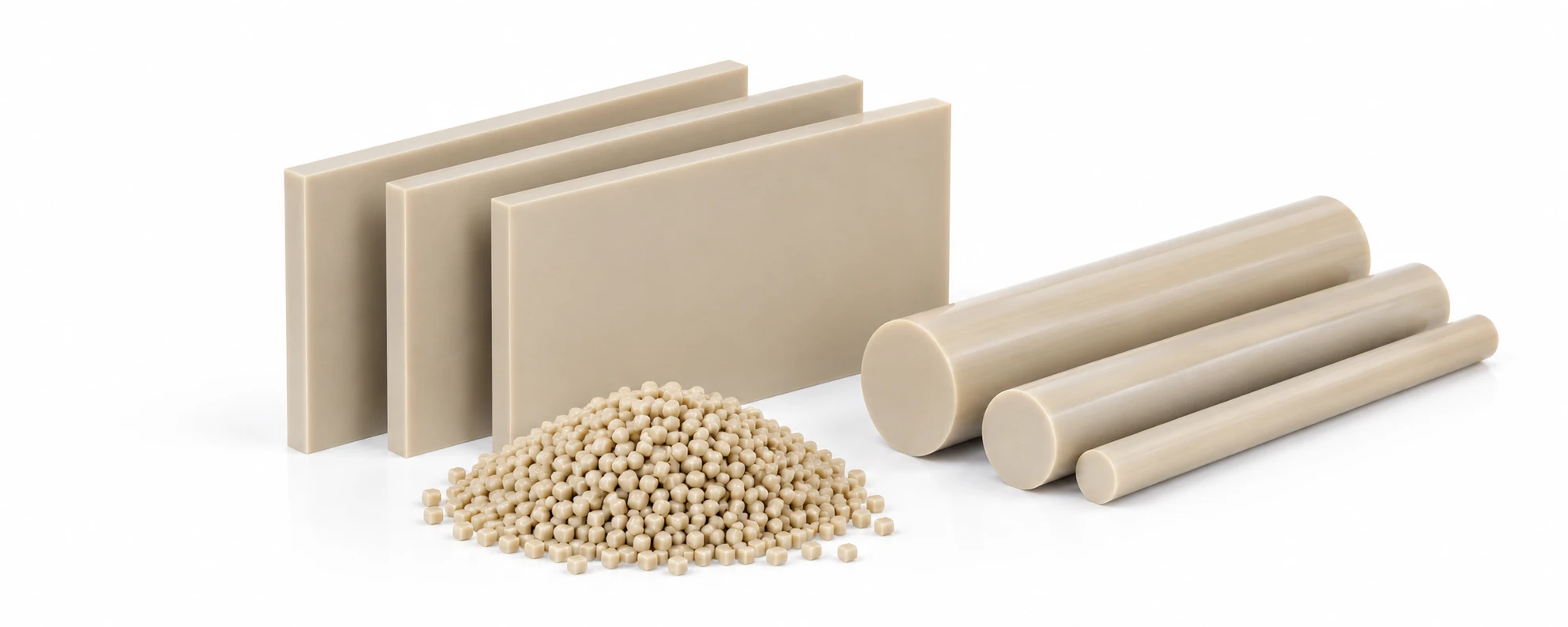
High-temperature performance, mechanical strength and chemical resistance.
View PEEK →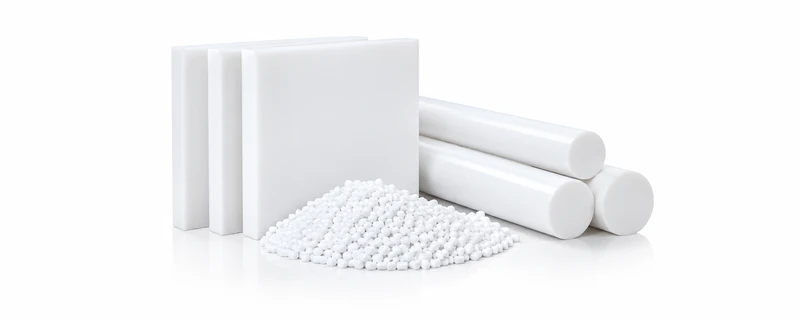
Low friction, broad chemical resistance and excellent electrical properties.
View PTFE →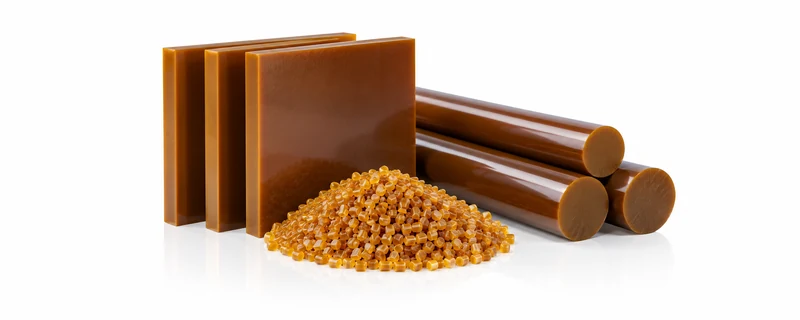
High-temperature capability and wear performance in demanding applications.
View PI →
Dimensional stability, chemical resistance and electrical applications.
View PPS →
High strength, stiffness and wear resistance for precision components.
View PAI →
Amorphous high-performance polymer with strength and electrical properties.
View PEI →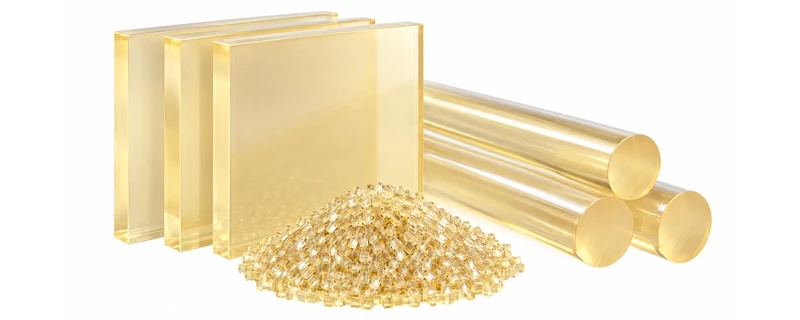
High impact resistance and hydrolysis performance in suitable grades.
View PPSU →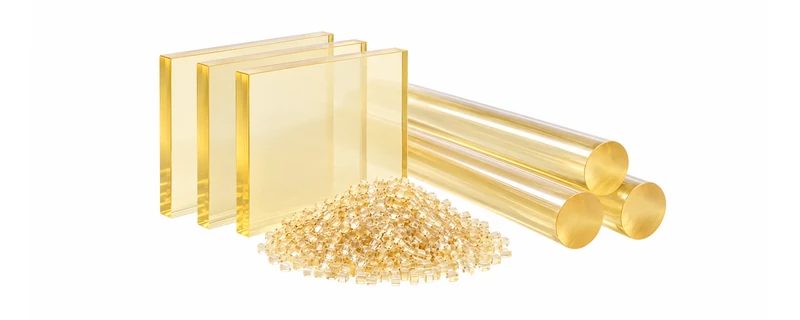
Heat resistance, dimensional performance and selected fluid applications.
View PES →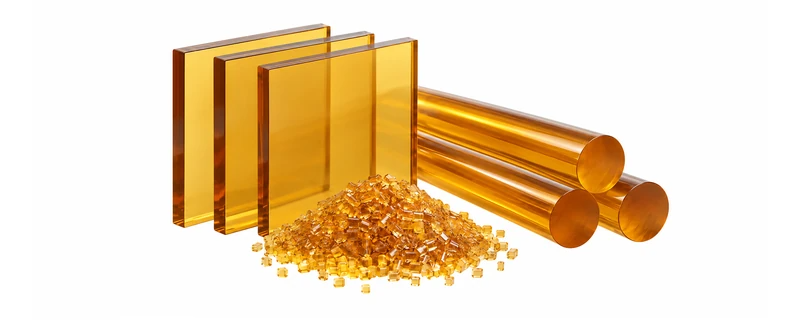
Amorphous polymer for dimensional, thermal and fluid-handling applications.
View PSU →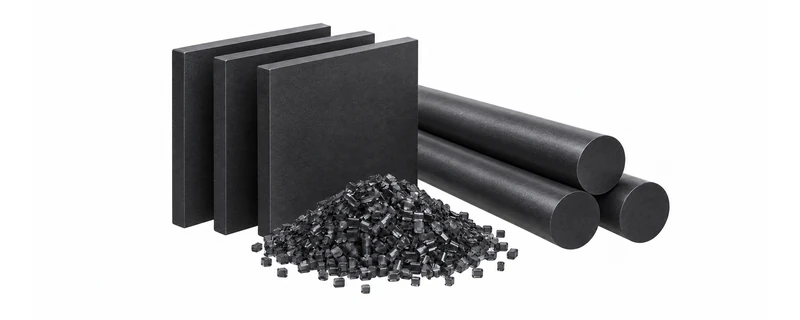
High-performance polyamide family for automotive and electrical components.
View PPA →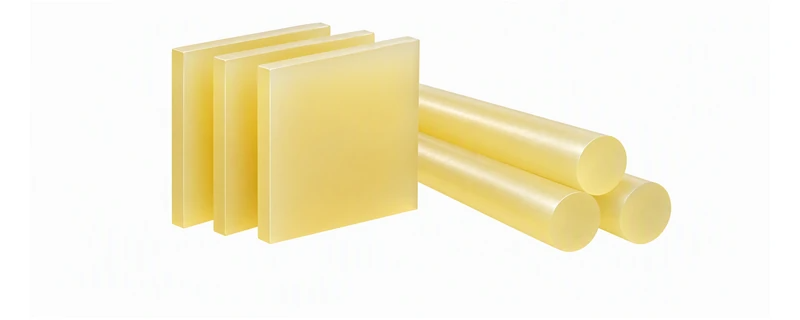
Polyurethane materials for elasticity, impact absorption and abrasion resistance.
View PU →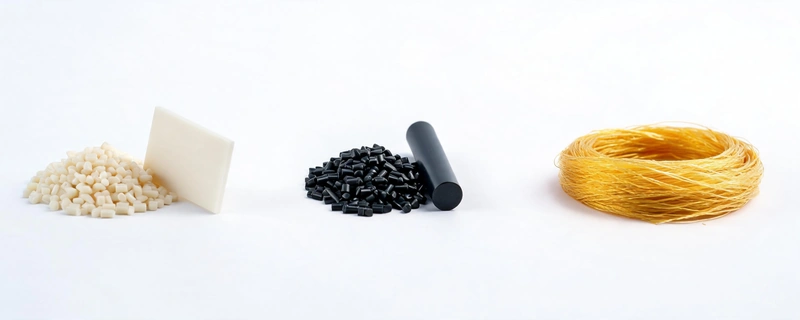
Aliphatic and semi-aromatic polyamides for mechanical and industrial parts.
View Nylon →The right material depends on operating temperature, mechanical load, chemical exposure, friction, dimensional requirements and the working environment. Start with the main performance requirement.
Consider PEEK, PI, PAI, PPS and other high-temperature grades according to actual operating conditions.
Compare PTFE, PEEK, PPS and other polymers against the specific chemical, concentration and temperature.
Evaluate PTFE, filled PTFE, PEEK bearing grades, PAI and PI for sliding and wear-related applications.
Review PEI, PPS, PEEK, PI and other suitable grades using grade-specific electrical data.
Compare moisture absorption, thermal expansion, stiffness and machining behavior for precision parts.
We work with different material forms for processing, manufacturing and end-use applications. Available forms depend on the polymer, grade, dimensions and production requirements.
Powder grades for selected coating, compounding, molding and additive manufacturing processes. Particle size and grade suitability should be confirmed for each application.
Virgin and compounded polymer pellets for injection molding, extrusion and other suitable processing methods. Processing conditions vary by resin grade.
Semi-finished sheets for machining, insulation, wear components, structural parts and other industrial applications.
Round rods for turning, milling, bushings, rollers, spacers and custom-machined components.
Thin polymer films for selected insulation, electrical, industrial and specialty applications. Film availability depends on material and processing method.
Components manufactured according to customer drawings, material specifications, dimensions and inspection requirements.
Engineering plastics require material-specific machining strategies. Thermal expansion, internal stress, moisture absorption, stiffness and part geometry can all influence machining results.
Teda Plastics supports custom-machined plastic components based on customer drawings and application requirements. We review material selection, geometry and dimensional requirements before production.
Share your technical drawing, material preference, quantity and application details. We can review the requirements and discuss suitable material options and machining considerations.
Final tolerances and inspection methods are assessed according to material behavior, part geometry, dimensions and functional needs.
Discuss Your Project →High-performance polymers are used in components where weight, chemical exposure, wear, electrical performance or operating temperature make material selection important.
Wafer handling components, insulating parts, fluid system components and precision fixtures. Grade purity and process compatibility should be evaluated for each application.
Seals, backup rings, bushings, wear components and electrical parts designed around pressure, temperature and chemical exposure requirements.
Selected polymer grades for instrument components, equipment parts and sterilization-related applications. Medical suitability must be verified for the specific grade and use.
Lightweight wear parts, bushings, electrical components and selected under-hood applications where thermal and mechanical performance matter.
Insulators, connectors, structural supports and precision components. Electrical properties depend on polymer grade, reinforcement and operating conditions.
Wear pads, rollers, gears, guides, seals and custom components for machinery and equipment operating under demanding conditions.
Choosing an engineering plastic is more than selecting a polymer name. Grade, form, processing method and application conditions all matter.
Share your operating conditions and requirements. We can discuss suitable polymer families, grades and material forms.
Drawing-based machining support for engineering plastic components, with tolerances reviewed according to part design.
Discuss prototypes, sample requirements, small batches and production quantities according to project needs.
Clear communication on specifications, quotations, documentation and delivery arrangements for international buyers.
Explore practical information about material properties, machining, applications and selection considerations.
Understand PEEK sheet grades, machining considerations and common application requirements.
Learn about PTFE properties, cold flow, filled grades and gasket design considerations.
Explore polyimide materials and the factors that influence high-temperature performance.
Send us your material requirements, technical questions or drawings. We will review the information and get back to you.
Follow our updates on engineering plastics, material selection, machining and industrial applications. You can also connect directly for business discussions.
View LinkedIn Profile