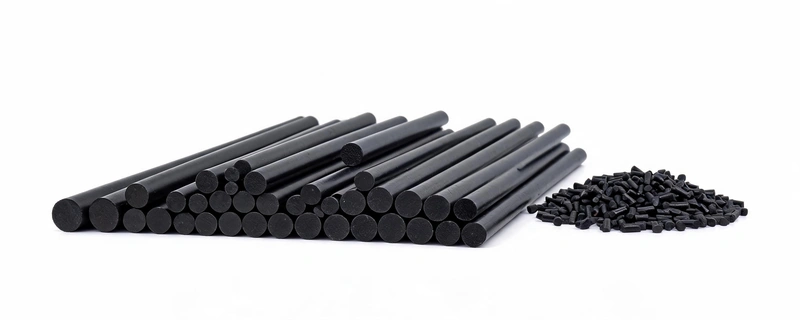
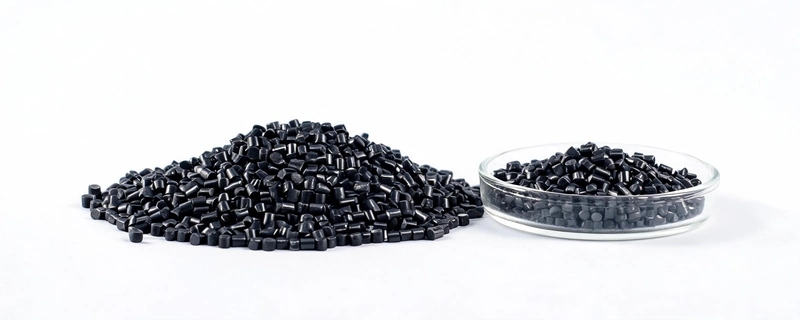
PPA Materials & Forms

Polyphthalamide (PPA) is a high-temperature semi-aromatic polyamide developed for demanding engineering applications. Explore PPA sheets, rods and granules for automotive, electrical and industrial components.

Product Portfolio

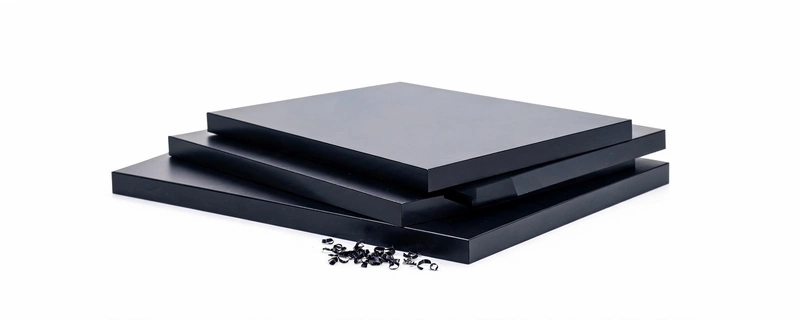
PPA material forms.

Choose the product form that matches your manufacturing process. Contact our team for grade information, dimensions and availability.
Material Overview

Understanding PPA.

PPA is a semi-aromatic polyamide. Its aromatic structure helps improve heat resistance and stiffness compared with many conventional aliphatic nylons.

What makes PPA different?

Polyphthalamide (PPA) belongs to the high-temperature polyamide family. It is used in engineering components that may be exposed to elevated temperatures, mechanical loads, moisture or demanding operating environments.

Commercial PPA materials are available in different formulations. Glass-fiber and mineral reinforcement can improve stiffness, strength and dimensional stability, while unfilled grades may provide different toughness and processing characteristics. Material selection should always be based on the exact grade and the requirements of the finished component.

Typical engineering advantages

  • Good heat resistance for selected high-temperature applications.
  • Potentially high stiffness and strength, particularly in reinforced grades.
  • Useful dimensional stability when the grade and design are properly selected.
  • Good performance in many automotive and electrical component applications.
  • Different formulations available for different molding and engineering requirements.
Property Overview

Key PPA material properties.

PPA properties vary significantly with polymer chemistry, reinforcement, conditioning and test method. The following table is a general selection guide, not a guaranteed specification for every PPA grade.

Property Engineering Consideration
Heat Resistance Designed for elevated-temperature applications; confirm the grade-specific continuous-use rating and heat deflection data.
Tensile Strength Depends on polymer formulation, glass-fiber content, specimen conditioning and test method.
Flexural Modulus Can be substantially increased through glass-fiber or mineral reinforcement.
Moisture Absorption Generally requires consideration in dimensional design and processing; values vary by grade and test conditions.
Chemical Resistance Depends on the chemical, concentration, temperature, exposure time, stress and material grade.
Reinforcement Options Selected commercial grades are available with glass-fiber or mineral reinforcement.

Note: PPA melting temperature, heat deflection temperature, continuous-use temperature and glass-transition temperature describe different material characteristics. They should not be used interchangeably. Please consult the technical data sheet for the exact grade before final design.

Industrial Applications

Where is PPA used?

PPA is selected for components where conventional engineering plastics may not provide the required combination of heat resistance, stiffness and dimensional performance.

Automotive Components

Selected under-hood components, housings, connectors and structural parts exposed to elevated temperatures.

Electrical & Electronics

Electrical connectors, insulating components and precision housings where thermal and dimensional performance matter.

Industrial Equipment

Selected mechanical components, brackets and engineered parts operating under demanding service conditions.

Material Selection

PPA compared with conventional nylon.

Compared with many conventional PA6 and PA66 grades, PPA is developed to provide improved performance in elevated-temperature environments. However, the actual difference depends on the specific grades being compared.

Material General Characteristics Typical Selection Consideration
PA6 General-purpose engineering nylon with good toughness and wear properties. General mechanical parts and cost-sensitive applications.
PA66 Higher stiffness and heat resistance than many PA6 grades. Mechanical components and selected automotive parts.
PPA Semi-aromatic polyamide designed for demanding thermal and mechanical applications. Components requiring higher heat performance and dimensional control.

The best material depends on operating temperature, load, moisture exposure, chemical contact, component geometry, manufacturing method and total cost. A grade-by-grade comparison is recommended before final selection.

Frequently Asked Questions

PPA material FAQs.

1. What is PPA material?

PPA, or polyphthalamide, is a semi-aromatic polyamide commonly classified as high-temperature nylon. It is used in demanding engineering applications where heat resistance, mechanical performance and dimensional stability are important.

2. What forms of PPA does Teda Plastics offer?

The PPA product range presented by Teda Plastics includes sheets, rods and granules. Availability, dimensions, grades and reinforcement options should be confirmed according to the specific requirement.

3. Is PPA suitable for high-temperature applications?

PPA is designed for elevated-temperature engineering applications, but its usable temperature depends on the grade, reinforcement, load, exposure time and operating environment. Review the grade-specific technical data sheet before selection.

4. Is PPA available with glass-fiber reinforcement?

Many commercial PPA molding grades are available with glass-fiber or mineral reinforcement. Reinforcement can increase stiffness, strength and dimensional stability, while also changing impact behavior, shrinkage and processing requirements.

5. What is the difference between PPA sheet and PPA rod?

PPA sheet is generally considered for plate-shaped components and parts machined from flat stock. PPA rod is more convenient for turned components such as bushings, spacers and cylindrical parts. The best form depends on component geometry and available stock dimensions.

6. Can PPA granules be used for injection molding?

PPA granules are commonly supplied for melt-processing applications such as injection molding, provided the selected grade is designed for that process. Drying, melt temperature, mold temperature and other settings must follow the resin manufacturer's processing guidance.

7. Is PPA resistant to chemicals and moisture?

PPA can offer useful chemical and moisture resistance compared with some conventional polyamides, but performance varies by grade and exposure conditions. Chemical identity, concentration, temperature, exposure time and mechanical stress should all be considered.

8. How can I request a quotation for PPA materials?

Send Teda Plastics the required form, grade, dimensions, quantity and application details. Drawings or technical specifications are helpful when requesting machined parts or non-standard dimensions.

Looking for the right PPA material?

Share your required form, dimensions, grade and application. Our team can help review your material requirements.

Request a Quote