PI Product Range
Explore different PI material forms for industrial manufacturing, engineering design and component production.
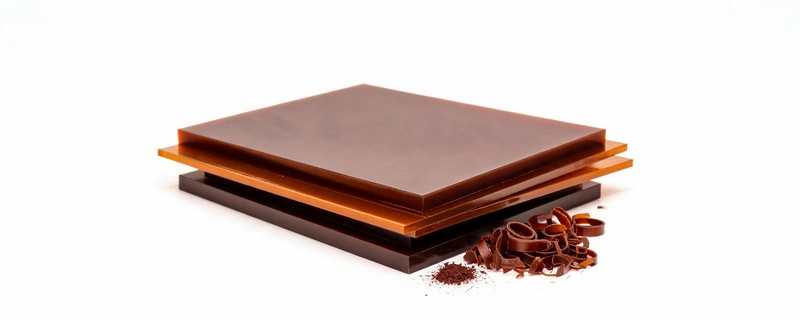
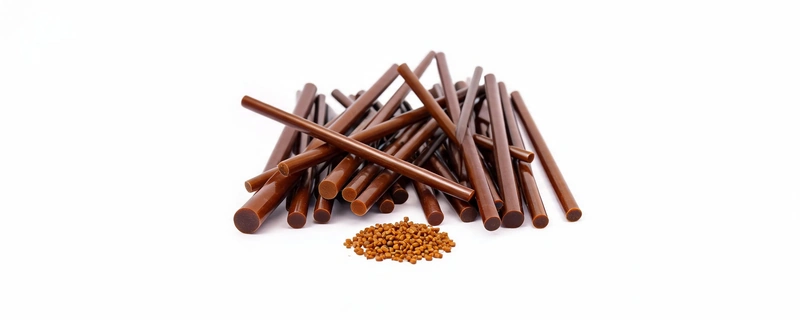
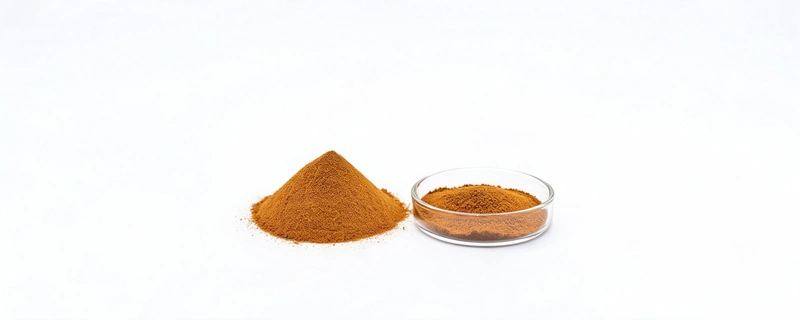
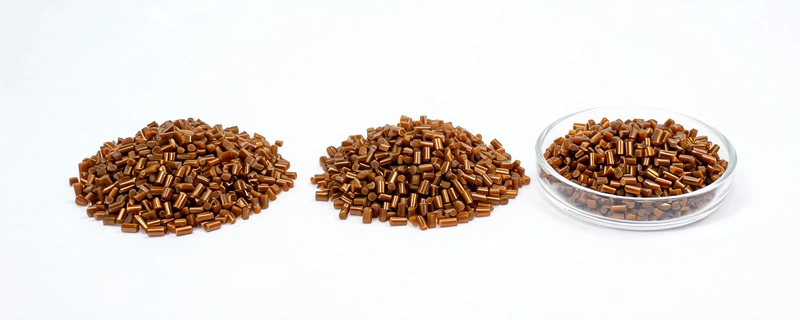
High-performance polyimide materials for demanding thermal, mechanical and electrical applications. Explore PI sheets, rods, powders, granules, films and custom machined components.
Polyimide (PI) is a family of high-performance polymers known for their excellent thermal stability, mechanical strength and dimensional performance in demanding environments. Depending on the specific chemistry and manufacturing process, PI materials can be supplied in different forms for industrial applications.
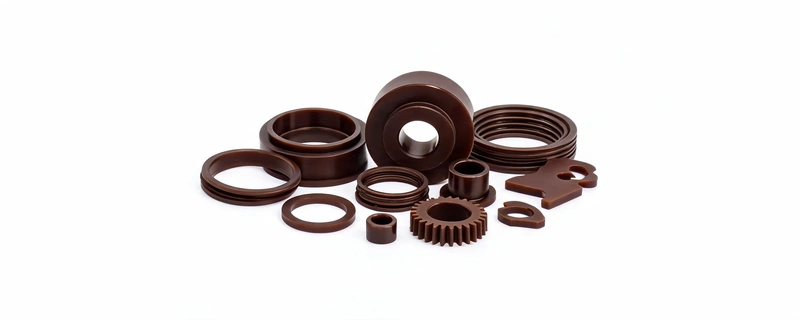
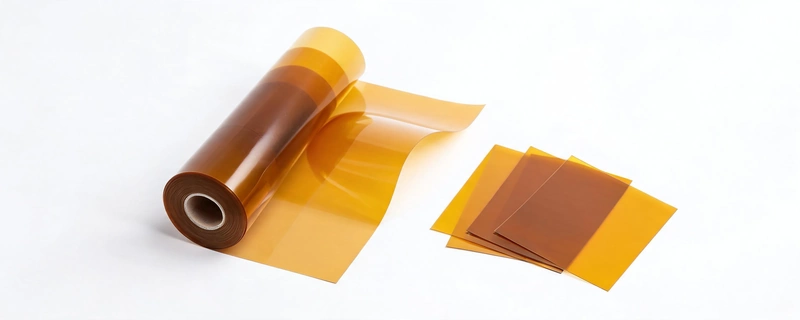
Teda Plastics provides PI material options including semi-finished stock shapes, powders, films and machined components. Material selection should be based on operating temperature, mechanical loading, friction conditions, electrical requirements and the intended manufacturing process.
Explore different PI material forms for industrial manufacturing, engineering design and component production.
The following characteristics are commonly associated with polyimide materials. Actual performance depends on grade, formulation and manufacturing method.
Selected PI grades maintain useful mechanical performance under demanding thermal conditions. The permissible operating temperature depends on grade, load and exposure time.
PI materials can offer high strength, stiffness and wear performance for specialized engineering components.
Certain PI grades provide good dimensional stability under elevated temperatures and mechanical loading.
Selected PI formulations are used in wear-resistant parts, bearings and sliding components where material selection must consider load and operating conditions.
Many PI grades are used in electrical and electronic insulation applications. Specific dielectric performance should be confirmed against the selected grade data.
Different PI chemistries and product forms are designed for different processing methods and engineering needs.
Polyimide is not a single universal material grade. Different PI chemistries, formulations and manufacturing processes can result in significantly different physical and mechanical properties.
When selecting PI materials, engineers should review the manufacturer's technical data for the specific grade rather than relying on general values for the entire polyimide family.
The appropriate PI product form depends on the manufacturing method and final component design.
Depending on the grade and design requirements, PI materials can be considered for applications in several industrial sectors.
Selected PI components are used in precision equipment, fixtures and parts exposed to demanding thermal conditions.
Specialized PI materials can be used in applications requiring thermal stability and lightweight construction.
PI films and components are used in insulation systems, flexible circuits and selected electronic assemblies.
Selected PI grades are considered for wear-resistant components, bushings, spacers and precision parts.
PI stock shapes can be machined into custom components using suitable cutting tools and machining strategies. The machining process should account for material grade, internal stress, component geometry and dimensional requirements.
For precision parts, consider the machining sequence, workholding, tool condition and dimensional inspection method. Tolerances should be evaluated according to the part dimensions, geometry and selected PI material.
When requesting a quotation, providing a technical drawing, material grade, quantity and operating conditions helps us evaluate the requirements more accurately.
Contact Teda Plastics with your required material form, grade, dimensions or technical drawing. Our team can review your requirements and discuss suitable material options.
Request a Quote WhatsApp Us