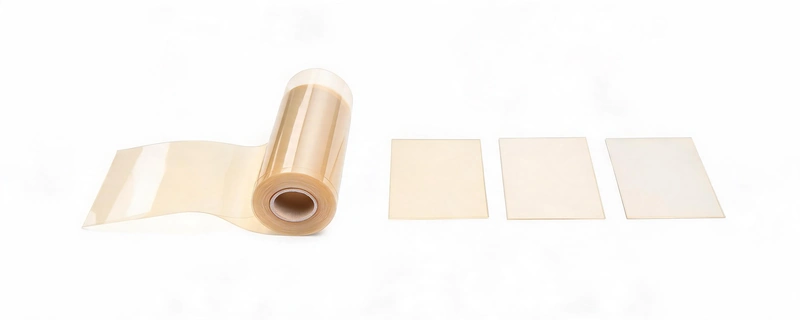
PES Materials & Forms

Polyethersulfone (PES) is a high-performance amorphous thermoplastic known for its heat resistance, dimensional stability and hydrolysis resistance in suitable grades. Explore PES materials in different forms for industrial, electrical, fluid handling and other demanding applications.

Product Portfolio

Explore PES Product Forms

Select the material form you need to learn more about its characteristics, processing considerations and potential applications.
Material Overview

What Is PES Plastic?

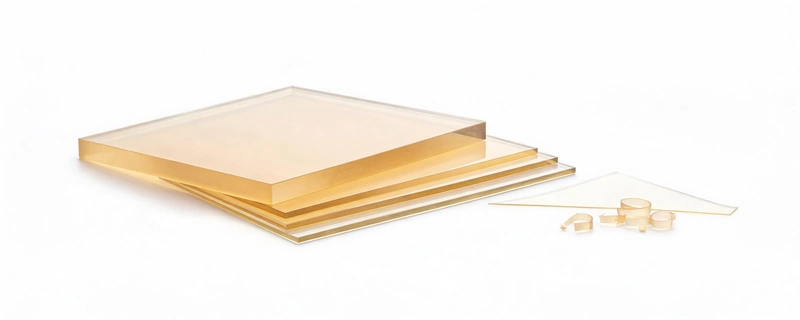
PES, or polyethersulfone, is an amorphous high-performance thermoplastic belonging to the sulfone polymer family. It is valued for its combination of thermal performance, stiffness, dimensional stability and resistance to hot water and hydrolysis in suitable grades.

PES is used in selected electrical, industrial, filtration, fluid handling and equipment applications. Its relatively high glass transition temperature makes it useful where conventional plastics may not provide sufficient thermal performance.

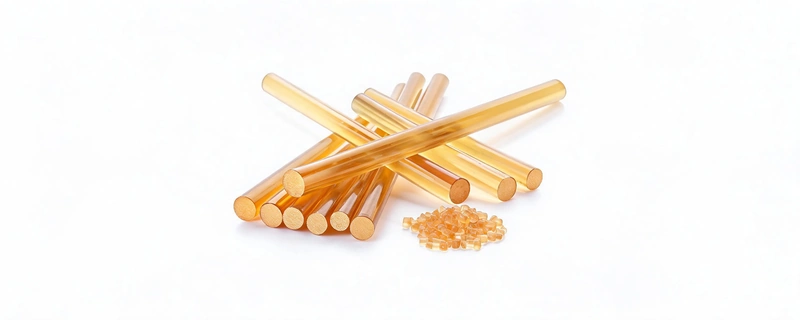
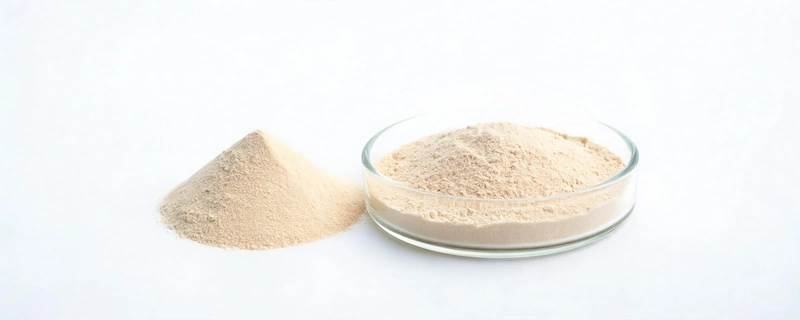
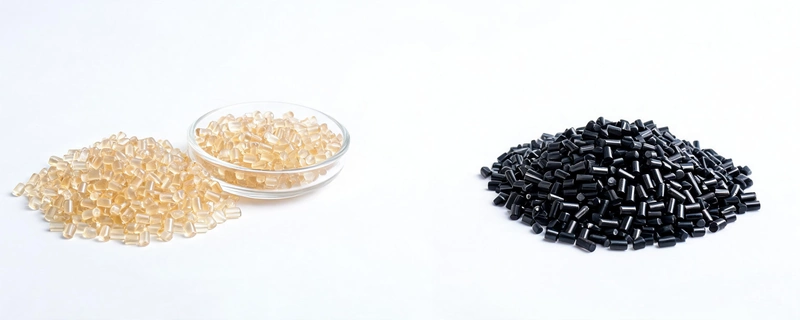
Available product forms and processing options depend on the resin grade and manufacturing route. Sheet, rod, granules, powder and film should each be evaluated according to their specific product specifications.

Why Consider PES?

Thermal Performance
Suitable grades offer performance at elevated temperatures.

Hydrolysis Resistance
Useful resistance to hot water and steam in appropriate conditions.

Dimensional Stability
Amorphous structure and stiffness support precision applications.

Electrical Properties
Considered for selected electrical and insulating components.

Chemical Resistance
Compatibility depends on the chemical, concentration and temperature.

Property Overview

Understanding PES Material Properties

The following table summarizes general characteristics of PES. Exact values should always be confirmed against the technical data sheet for the selected grade.

Property General Characteristics
Polymer Type Amorphous high-performance thermoplastic
Glass Transition Temperature (Tg) Typically around 225°C
Thermal Performance Suitable for selected elevated-temperature applications
Mechanical Behavior Good stiffness and strength in suitable grades
Hydrolysis Resistance Good resistance in appropriate hot-water and steam conditions
Electrical Properties Useful insulating characteristics; grade and test dependent
Appearance Typically transparent to amber-colored, depending on form and grade

Note: These are general material-family descriptions, not guaranteed specifications for every PES product. Tensile strength, modulus, continuous-use temperature, dielectric properties and other numerical values vary with grade, processing and test conditions. Please consult the relevant manufacturer's technical data sheet.

Industrial Applications

Where Is PES Used?

PES is selected for applications that require a balance of thermal performance, stiffness and resistance to demanding operating environments.

Electrical & Electronics

Insulating components, electrical housings and selected parts requiring stable performance under heat.

Fluid Handling

Selected valve components, connectors, fluid-contact parts and equipment components.

Medical & Healthcare Equipment

Selected reusable equipment and components, subject to grade documentation and application validation.

Filtration Systems

PES polymer is used in certain membrane and filtration applications, depending on the specialized product grade.

Industrial Equipment

Custom engineering components used in demanding thermal and mechanical environments.

Precision Components

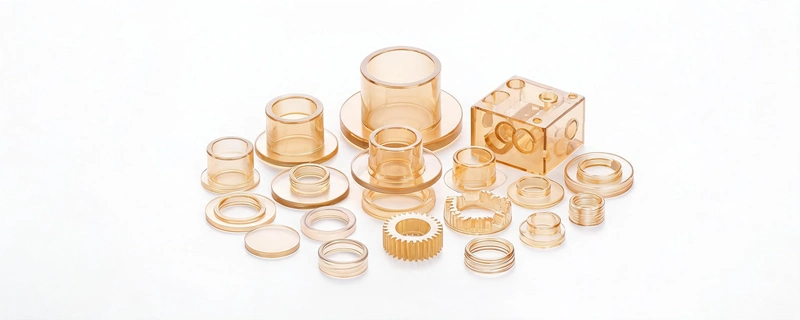
Machined parts and custom components where dimensional stability and material performance are important.

Material Selection

PES vs. PSU vs. PPSU

PES, PSU and PPSU are all members of the sulfone polymer family. Although they share some characteristics, their performance profiles are not identical. The right material depends on mechanical loading, impact requirements, temperature, chemical exposure and processing conditions.

Material General Characteristics Typical Selection Focus
PES High stiffness, thermal performance and hydrolysis resistance Electrical, filtration and selected industrial applications
PSU Transparency, dimensional stability and hot-water performance Fluid handling, equipment and selected medical applications
PPSU High toughness and impact resistance with good steam resistance in suitable grades Reusable equipment and demanding impact-related applications

These comparisons are general guidelines. Always compare the technical data sheets of the actual grades before making a material decision.

Technical FAQ

Frequently Asked Questions About PES

Common questions about PES material properties, product forms and engineering applications.

1. What is PES plastic?

PES stands for polyethersulfone. It is an amorphous high-performance thermoplastic known for thermal performance, stiffness, dimensional stability and hydrolysis resistance in suitable grades.

2. What is the glass transition temperature of PES?

The glass transition temperature of common PES grades is typically around 225°C. The exact value depends on the grade and should be confirmed using the manufacturer's technical data sheet.

3. Is PES suitable for hot water and steam applications?

Suitable PES grades offer good resistance to hot water and hydrolysis. However, actual service performance depends on temperature, exposure time, mechanical stress, chemical environment and the specific material grade.

4. What is the difference between PES and PPSU?

PES is often selected for stiffness, thermal performance and dimensional stability, while PPSU is particularly known for toughness and impact resistance. The best option depends on the actual application and grade-specific data.

5. Is PES transparent?

Many natural PES resin grades have a transparent to amber appearance. Finished products may differ in color and transparency depending on thickness, additives, processing and product form.

6. Can PES be CNC machined?

Yes. Suitable PES sheet and rod stock can be machined into custom components. Tool selection, heat management, workholding, residual stress and dimensional inspection should be considered during machining.

7. What forms of PES material are available?

Depending on the grade and supplier, PES may be available in forms such as sheet, rod, granules, powder and film. Availability, dimensions and processing suitability should be confirmed for each product.

8. How can I select the right PES grade?

Consider the operating temperature, mechanical load, chemical exposure, electrical requirements, processing method and dimensional requirements. Comparing grade-specific technical data sheets is essential.

Looking for PES Engineering Plastic Materials?

Tell us your required material form, dimensions, grade and application. Teda Plastics can discuss your PES material requirements and custom engineering plastic solutions.

Request a Quote