PES (Polyethersulfone) powder is a powdered form of a high-performance amorphous thermoplastic. Depending on its molecular structure, particle size and formulation, PES powder may be developed for specialized coatings, membrane fabrication, polymer blending and other technical applications.
Unlike ordinary commodity resin powders, PES powder is not a single universal product. Different grades can have significantly different particle-size distributions, flow behavior, solubility and processing requirements. Selecting the correct powder grade is therefore essential.
1. What Is PES Powder?
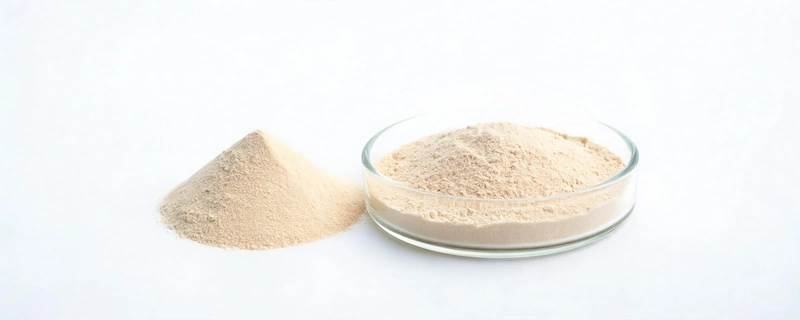
PES powder is a finely divided form of polyethersulfone resin. PES is an amorphous high-performance thermoplastic known for its stiffness, thermal performance, dimensional stability and resistance to hot water and steam in suitable grades.
Powder products can be manufactured or processed to meet different requirements. Depending on the intended application, the powder may be supplied with different particle sizes, particle-size distributions, molecular weights and physical characteristics.
Some PES powders are intended for solution-based membrane processing, while others may be developed for blending, compounding or specialized coating formulations. These products should not be treated as interchangeable.
2. Key Characteristics of PES Powder
The properties of PES powder depend on the grade and its intended processing route. Important characteristics to evaluate include:
- Thermal performance: PES polymer has a relatively high glass transition temperature, typically around 225°C. Actual processing temperatures depend on the formulation and manufacturing method.
- Particle size: Particle size and distribution influence powder flow, dispersion, dissolution rate and coating or membrane uniformity.
- Thermal stability: Suitable PES formulations can retain useful properties in demanding temperature environments.
- Chemical characteristics: PES offers useful resistance to many environments, but solvent compatibility depends on the chemical and processing conditions.
- Film-forming capability: Selected PES grades are used in membrane fabrication, where polymer concentration, solvent system and phase-inversion conditions influence final membrane structure.
- Formulation flexibility: PES can be combined with other ingredients in certain polymer formulations, provided compatibility and processing requirements are established.
3. Typical Applications of PES Powder
Membrane Fabrication
PES is widely recognized as a membrane-forming polymer. Selected PES powder or resin grades can be dissolved in suitable solvent systems and processed into porous membranes using controlled fabrication methods such as phase inversion.
PES membranes are used in selected filtration and separation applications. Membrane performance depends on polymer grade, solvent system, additives, pore structure, fabrication conditions and final membrane design.
Specialized Industrial Coatings
Certain PES-based formulations may be used in specialized coating systems where thermal performance and surface properties are required. The powder must be specifically designed for the selected coating process.
Not every PES powder is suitable for electrostatic spraying or fluidized-bed coating. Particle size, melt behavior, formulation and substrate preparation all need to be considered.
Polymer Blending and Compounding
Selected PES grades can be used in polymer formulations and specialty blends to modify performance characteristics. Compatibility, dispersion, processing temperature and the properties of the other polymer components must be evaluated.
Research and Technical Development
PES powder can also be used in laboratory research and material development involving membranes, polymer solutions, specialty formulations and high-performance materials. The required grade depends on the experimental process and target properties.
4. PES Powder Processing Considerations
PES powder requires processing conditions appropriate to its intended use. A membrane grade, coating grade and compounding grade may require completely different equipment and procedures.
- Confirm the processing route: Determine whether the powder is intended for solution processing, melt processing, coating formulation or another application.
- Check particle-size distribution: Particle size can affect flow, mixing, dispersion and final product consistency.
- Control moisture: Follow the supplier's storage and drying recommendations. Moisture control is especially important when required by the specific processing method.
- Verify solvent compatibility: For solution-based processing, use a solvent system confirmed for the selected PES grade and follow appropriate chemical handling procedures.
- Control processing conditions: Temperature, residence time, mixing conditions and formulation can influence the final material properties.
- Review equipment requirements: Coating, membrane and compounding processes require different equipment configurations.
5. When Is PES Powder the Right Choice?
PES powder may be appropriate when your project requires a high-performance polymer for a specialized formulation or processing method. Typical selection considerations include:
- A polymer for selected high-performance membrane applications.
- A PES-based formulation for specialized coating development.
- A high-temperature polymer component in a technical blend.
- A material with established compatibility with the selected solvent system.
- A powder grade with controlled particle size and processing characteristics.
If your application requires a conventional injection-molding resin, a standard PES granule grade may be more appropriate than a powder. If you need a machined component, PES sheet or rod may be a more practical starting material.
6. PES Powder vs. PES Granules
PES powder and PES granules are different physical forms of the same polymer family. They are generally selected for different processing requirements.
| Comparison | PES Powder | PES Granules |
|---|---|---|
| Physical form | Fine polymer particles | Pellets or granules |
| Typical processing | Grade-dependent solution processing, formulation or specialized coating applications | Suitable extrusion and injection molding processes |
| Key selection factor | Particle size, molecular weight, dispersion and solubility | Melt flow, viscosity and processing stability |
| Typical supply requirements | Powder specifications and handling requirements | Pellet grade and molding or extrusion specifications |
Neither form is automatically better than the other. Select the physical form based on the manufacturing process and final product requirements.
7. Safe Handling and Storage of PES Powder
Fine polymer powders should be handled with appropriate workplace controls. The exact precautions depend on particle size, dust generation and the product's safety data sheet.
- Dust control: Minimize airborne dust during opening, transferring, mixing and cleaning.
- Personal protection: Follow the safety data sheet and use suitable protective equipment, including eye protection and respiratory protection where required.
- Ventilation: Use suitable local exhaust ventilation for operations that may generate airborne particles.
- Storage: Keep the material in its original, properly sealed packaging in a clean and dry environment.
- Contamination prevention: Avoid mixing different grades or allowing foreign particles to enter the material.
8. What to Check Before Ordering PES Powder
To identify the correct PES powder, provide your supplier with as much application information as possible:
- Application: Membrane fabrication, coating, compounding or research.
- Grade: Required PES grade or reference specification.
- Particle size: Target particle size and distribution, if specified.
- Molecular characteristics: Molecular weight or viscosity requirements, where relevant.
- Processing method: Solvent-based, melt-based or other processing route.
- Quantity: Required sample size or production quantity.
- Documentation: Technical data sheet, SDS and other application-specific documents.
If you already have a technical specification or an existing sample, sharing it with your supplier can help determine whether the available powder grade is suitable.
9. Frequently Asked Questions About PES Powder
1. What is PES powder used for?
PES powder is used in selected membrane fabrication, specialized coating formulations, polymer blending and technical material development. The appropriate application depends on the grade and its processing characteristics.
2. Is PES powder suitable for powder coating?
Some PES-based powders may be developed for specialized coating processes. However, not every PES powder is suitable for electrostatic spraying or fluidized-bed coating. Confirm the formulation, particle-size distribution and processing conditions with the manufacturer.
3. Can PES powder be used to make membranes?
Yes. Selected PES grades are used in membrane fabrication. The polymer is commonly dissolved in a suitable solvent system and processed under controlled conditions to form a membrane structure. The final membrane properties depend on the formulation and fabrication method.
4. What particle size is available for PES powder?
Particle size varies by product grade and manufacturing process. The suitable size depends on the intended application, such as dispersion, membrane formulation or coating preparation. Confirm the particle-size specification with the supplier.
5. Can PES powder be used for injection molding?
Powder is not automatically suitable for conventional injection molding. Injection molding normally uses a properly formulated resin grade with appropriate melt-processing characteristics. PES granules are generally a more practical form for standard molding equipment.
6. Is PES powder chemically resistant?
PES polymer has useful resistance to various chemicals, but it is not resistant to every solvent or chemical. Compatibility depends on the chemical, concentration, temperature, exposure time and specific grade. Consult compatibility data before use.
7. How should PES powder be stored?
Store PES powder in properly sealed packaging in a clean, dry environment. Protect it from moisture, contamination and unnecessary exposure to airborne dust. Follow the supplier's storage instructions and Safety Data Sheet.
8. What information is needed for a PES powder quotation?
Provide the intended application, required grade, particle-size specification, processing method, quantity and documentation requirements. A technical specification or sample can help the supplier evaluate the appropriate product.
Looking for PES Powder?
Teda Plastics supplies engineering plastic materials in different forms, including PES powder, granules, sheets and rods. Contact us with your application and technical requirements to discuss suitable material options.
Request a PES Powder Quote