PPS powder (Polyphenylene Sulfide powder) is a specialty polymer material used in industrial coatings, polymer compounding and selected advanced material applications. PPS is known for its chemical resistance, thermal stability and mechanical properties.
Unlike PPS sheet and rod, which are semi-finished stock shapes for machining, PPS powder is selected according to its particle size, resin characteristics and processing requirements. Choosing the correct powder grade is essential for achieving consistent coating quality or compound performance.
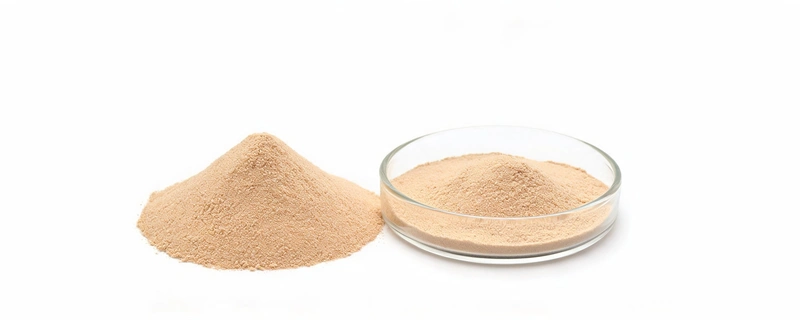
1. What Is PPS Powder?
PPS powder is powdered polyphenylene sulfide resin. It is produced and classified for different industrial purposes. Depending on the manufacturing route and final application, PPS powder can have different particle sizes, particle size distributions and physical characteristics.
Some grades are developed for coating processes, while others are intended for compounding or specialty formulations. These grades should not be treated as interchangeable.
2. Main Types of PPS Powder
Coating-Grade PPS Powder
Coating-grade PPS powder is designed for use in protective coating systems. It may be applied to suitable metal substrates to create a polymer coating with useful chemical and thermal resistance.
The powder's particle size, flow characteristics and processing behavior are important factors in coating quality. Application methods depend on the specific powder formulation and equipment.
Fine PPS Powder for Specialty Applications
Certain fine PPS powders are developed for applications that require controlled particle size and good dispersion. Their suitability depends on the intended formulation and processing conditions.
PPS Powder for Compounding
Selected PPS powder grades can be used in specialty polymer formulations and compounding processes. The powder must be compatible with the target resin system, processing equipment and required final properties.
Important: Not every PPS powder is suitable for coating, electrostatic spraying or compounding. Always confirm the intended application and grade specifications with the supplier.
3. Key Characteristics of PPS Powder
- Thermal performance: PPS resin is used in applications requiring resistance to elevated temperatures. Actual coating or compound performance depends on the formulation and processing conditions.
- Chemical resistance: PPS offers resistance to many chemicals, making selected grades useful in demanding industrial environments.
- Particle size control: Particle size distribution affects powder flow, dispersion, coating behavior and processing consistency.
- Dimensional and thermal stability: PPS-based materials can provide useful dimensional stability and thermal performance in properly designed applications.
- Application-specific formulation: Powder characteristics can be adjusted or selected according to the intended processing method and final use.
4. Industrial Applications of PPS Powder
Industrial Protective Coatings
Coating-grade PPS powder can be used to produce protective coatings on suitable metal components. Applications may include selected valves, pipes, pump components and industrial equipment exposed to chemicals or elevated temperatures.
The coating system must be designed around substrate preparation, application method, film thickness and curing conditions.
Chemical Processing Equipment
PPS coatings may be considered for selected components that require resistance to particular chemical media. Chemical compatibility should be evaluated at the actual concentration, temperature and exposure duration.
Polymer Compounding
Selected PPS powder grades can be used in specialty compounding and material development. Particle characteristics and resin compatibility are important for achieving uniform dispersion and consistent processing.
Specialty Industrial Applications
Depending on the grade, PPS powder may be considered for specialty formulations and industrial processes where thermal and chemical performance are required.
5. Why Particle Size Matters
Particle size is one of the most important specifications when selecting PPS powder. It can influence how the powder flows, disperses and behaves during processing.
- Powder flow: Particle size and particle shape can influence feeding and application behavior.
- Coating uniformity: Particle size distribution can affect powder deposition and coating consistency.
- Dispersion: For compounding applications, particle characteristics can influence dispersion and material uniformity.
- Processing compatibility: The selected particle size should match the equipment and processing method.
When requesting PPS powder, it is better to specify the required particle size or particle size distribution rather than simply asking for fine powder.
6. PPS Powder vs. PPS Granules
PPS powder and PPS granules are different material forms intended for different processing requirements.
| Comparison | PPS Powder | PPS Granules |
|---|---|---|
| Physical form | Fine or classified polymer particles | Pellets or granules |
| Typical applications | Coatings and selected specialty formulations | Injection molding and extrusion grades |
| Particle characteristics | Particle size distribution is a key specification | Pellet size and feeding behavior are important |
| Processing equipment | Depends on coating or formulation process | Suitable melt-processing equipment |
| Material selection | Based on powder application and particle properties | Based on molding or extrusion requirements |
The two forms are not automatically interchangeable. A coating powder should not be assumed suitable for injection molding, and a molding-grade pellet should not be assumed suitable for coating.
7. Processing and Handling Considerations
PPS powder requires suitable equipment and process control. The exact conditions depend on the grade and intended application.
Coating Process Requirements
Coating operations may require controlled substrate preparation, powder application, heating and curing. Temperature profiles and processing times should follow the powder manufacturer's technical instructions.
Compounding Requirements
For compounding, the powder must be compatible with the selected resin system and processing method. Feeding, dispersion and thermal processing conditions should be evaluated during formulation development.
Storage and Handling
Keep PPS powder in sealed packaging in a clean and dry environment. Avoid contamination and unnecessary dust generation during transportation, storage and handling.
Workplace Safety
Fine polymer powders can become airborne during handling. Use appropriate ventilation, dust control and personal protective equipment according to the supplier's Safety Data Sheet (SDS) and local workplace regulations.
Handling tip: Do not select processing temperatures or curing conditions based on generic PPS information. Follow the technical data and processing instructions for the exact powder grade.
8. How to Select the Right PPS Powder
Before purchasing PPS powder, define the application and processing requirements. The following information will help identify a suitable grade.
- Intended application: Coating, compounding or another specialty application.
- Particle size: Required average particle size and particle size distribution.
- Processing method: Confirm the intended application equipment and processing conditions.
- Performance requirements: Define the required thermal, chemical and mechanical properties.
- Quantity: Specify the expected order quantity and packaging requirements.
- Technical documentation: Request the technical datasheet and Safety Data Sheet for the selected grade.
9. PPS Powder Supply from Teda Plastics
Teda Plastics supplies engineering plastic materials for industrial buyers, distributors and manufacturers. We can discuss PPS powder requirements according to your application, particle size and processing specifications.
When requesting a quotation, please provide the intended application, required particle size, grade, quantity and any relevant technical specifications.
If you are developing a coating or compounding project, sharing the processing method and target performance requirements will help us understand your material needs.
Frequently Asked Questions About PPS Powder
1. What is PPS powder?
PPS powder is powdered polyphenylene sulfide resin used in applications such as industrial coatings, polymer compounding and specialty material formulations. Its suitable use depends on particle size, resin characteristics and processing requirements.
2. What is PPS coating powder used for?
Coating-grade PPS powder can be used to produce protective coatings on suitable metal substrates. Applications may include selected chemical processing equipment, industrial components and parts requiring chemical and thermal resistance.
3. Can PPS powder be used for electrostatic spraying?
Some specially formulated PPS coating powders may be suitable for electrostatic application. Compatibility depends on particle size distribution, flow behavior, electrical characteristics and the coating system.
4. Is PPS powder suitable for polymer compounding?
Selected PPS powder grades can be used in specialty compounding and material formulations. The powder must be compatible with the processing method, resin system and required final properties.
5. Why is particle size important for PPS powder?
Particle size distribution affects powder flow, coating uniformity, dispersion and processing behavior. The appropriate particle size depends on the intended application and equipment.
6. Can all PPS powder grades be used for coatings?
No. Coating applications require powder grades specifically designed for the coating process. General-purpose PPS powder may not have the particle size, flow characteristics or processing properties required.
7. How should PPS powder be stored?
PPS powder should be stored in sealed packaging in a clean, dry environment. Follow the supplier's storage instructions and Safety Data Sheet to prevent contamination, moisture exposure and unnecessary dust release.
8. What information is needed when ordering PPS powder?
Provide the intended application, required particle size or particle size distribution, grade, quantity and processing method. A technical specification or sample requirement can help identify a suitable powder.
Looking for PPS powder for your project? Tell us your application, particle size requirements and expected quantity. Contact Teda Plastics to discuss your requirements.