PEI granules, also known as polyetherimide pellets, are a melt-processable form of high-performance engineering thermoplastic resin. They are used in suitable manufacturing processes such as injection molding and extrusion to produce complex industrial components.
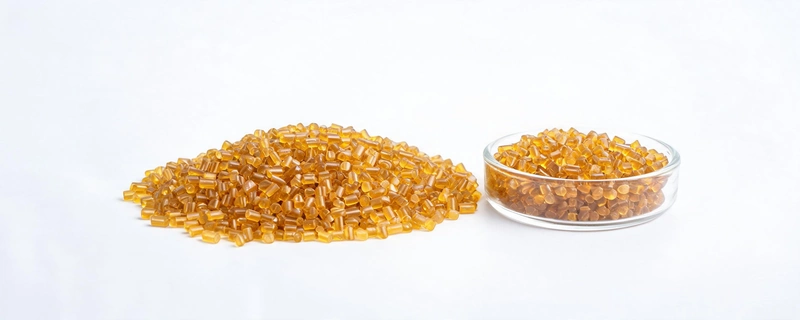
PEI is an amorphous polymer known for its combination of mechanical strength, stiffness, thermal performance, electrical insulation and dimensional stability. Many unfilled grades have a characteristic transparent amber appearance, although color and transparency vary according to formulation and processing.
1. What Are PEI Granules?
PEI stands for polyetherimide. It is an amorphous high-performance thermoplastic used in applications where ordinary plastics may not provide the required combination of heat resistance, mechanical properties and electrical performance.
In pellet form, PEI resin can be supplied to manufacturers for melt processing. The pellets are heated, plasticized and shaped using suitable manufacturing equipment.
Different PEI grades may be available for different processing methods and performance requirements. Unfilled, glass-reinforced and other modified grades should not be treated as interchangeable.
2. Main Applications of PEI Granules
Electrical and Electronic Components
PEI is used in selected electrical and electronic components that require dimensional stability, electrical insulation and resistance to elevated operating temperatures. Potential applications include connectors, insulating components, housings and precision molded parts.
Industrial and Mechanical Components
Depending on the grade and design, PEI can be considered for precision mechanical components, equipment parts and structural elements exposed to demanding operating conditions.
Medical Device Components
Certain PEI grades are used in selected medical device applications. However, buyers must verify the exact resin grade, supplier documentation, applicable regulatory requirements and compatibility with the intended sterilization method.
A general-purpose PEI grade should never be assumed to be suitable for medical use simply because it belongs to the PEI polymer family.
Automotive and Transportation
PEI may be considered for selected automotive and transportation components where heat resistance, mechanical performance and electrical properties are important. The final choice depends on application-specific testing and industry requirements.
3. Key Properties of PEI Resin
PEI offers a useful combination of properties for demanding engineering applications. Actual performance depends on the resin grade, reinforcement, processing conditions and component design.
- Thermal performance: Suitable grades can retain useful mechanical properties at elevated temperatures.
- Mechanical strength: PEI provides a combination of strength and stiffness for precision molded components.
- Dimensional stability: Its amorphous structure can support dimensional consistency when processing and design are properly controlled.
- Electrical insulation: PEI is used in selected electrical applications requiring insulating properties.
- Flame performance: Many PEI grades offer favorable flame behavior, but the applicable rating must be verified for the specific grade and test thickness.
- Appearance: Unfilled grades are often amber and may be translucent or transparent depending on thickness and formulation.
4. PEI Injection Molding: Important Considerations
PEI is a high-temperature engineering thermoplastic. Successful molding requires appropriate equipment, temperature control, moisture management and processing knowledge.
Moisture Control and Drying
PEI resin generally requires drying before melt processing. Excess moisture can contribute to surface defects and polymer degradation during processing.
Drying temperature, duration and target moisture content depend on the specific resin grade and supplier recommendations. Use the grade-specific technical data sheet rather than applying one universal drying schedule to every PEI material.
Temperature Control
PEI requires processing temperatures appropriate for its high-temperature melt behavior. Barrel, nozzle and mold settings should be selected according to the resin manufacturer's processing guide and the geometry of the molded part.
Mold Design and Venting
Proper gate design, venting, runner layout and mold temperature control help improve filling, surface appearance and dimensional consistency. Complex or thin-walled parts may require additional mold-flow and process evaluation.
Residence Time
Excessive residence time at elevated temperatures can damage the polymer. Machine settings and production interruptions should be managed to avoid unnecessary thermal exposure.
5. PEI vs. PC Granules: Which Should You Choose?
Polyetherimide (PEI) and polycarbonate (PC) are both amorphous thermoplastics, but they serve different performance and cost requirements.
When PEI May Be the Better Choice
- Applications requiring higher temperature capability.
- Components needing a specific combination of stiffness and strength.
- Selected electrical applications requiring thermal stability.
- Applications where grade-specific flame performance is important.
When PC May Be More Suitable
- Applications prioritizing impact resistance.
- Projects with tighter material cost constraints.
- Components that do not require PEI's higher-temperature performance.
- Applications where a suitable PC grade meets all operating requirements.
PC is often more economical than PEI, but the correct comparison should include operating temperature, mechanical loading, chemical exposure, required certifications and total component cost.
6. Common Problems During PEI Injection Molding
Silver Streaks and Surface Defects
Moisture or unsuitable processing conditions may contribute to silver streaks and other surface defects. Check resin drying, storage conditions and machine settings.
Incomplete Filling
Insufficient melt temperature, unsuitable injection settings, restrictive gates or inadequate venting can contribute to incomplete filling. Review the mold design and processing window together.
Dimensional Variation
Part geometry, mold temperature, cooling conditions, material grade and process consistency can all influence dimensional results. Use stable processing conditions and verify dimensions after parts have reached a consistent temperature.
Discoloration or Material Degradation
Excessive thermal exposure, contamination or unsuitable processing conditions may cause discoloration or degradation. Review residence time, machine cleanliness and temperature settings.
7. How to Select the Right PEI Granules
Before purchasing PEI resin, manufacturers should define the processing method and the performance requirements of the finished component.
- Application: Identify whether the resin is intended for electrical, industrial, automotive or medical-device components.
- Processing method: Confirm whether injection molding, extrusion or another process is required.
- Material grade: Select unfilled or reinforced grades according to mechanical and dimensional requirements.
- Color and appearance: Specify natural amber, transparent or other available grade-specific appearance requirements.
- Regulatory requirements: Confirm the documentation and testing needed for the intended market and application.
- Technical documentation: Request the TDS, SDS and relevant compliance information for the exact grade.
8. PEI Granules from Teda Plastics
Teda Plastics supplies engineering plastic materials for industrial buyers, manufacturers and international distributors. Our product range includes PEI, PEEK, PI, PTFE, PPS, PAI, PPSU and other high-performance polymers in different material forms.
If you are sourcing PEI granules for injection molding or extrusion, please share your intended application, processing method, required grade characteristics and estimated order quantity.
Our team can discuss material specifications and available supply options based on your requirements. For customers manufacturing solid PEI components, PEI sheets, rods and CNC-machined parts may also be considered.
9. Frequently Asked Questions About PEI Granules
1. What are PEI granules?
PEI granules, also called PEI pellets, are a melt-processable form of polyetherimide resin supplied for suitable manufacturing processes such as injection molding and extrusion.
2. What are PEI granules used for?
Depending on the grade, PEI granules may be used to manufacture electrical and electronic components, industrial parts, selected medical-device components and other precision molded products.
3. Are PEI granules transparent?
Many unfilled PEI grades have a transparent amber appearance. Color and transparency can vary with grade, fillers, additives, part thickness and processing conditions.
4. Do PEI granules need to be dried before injection molding?
PEI resin generally requires moisture control before melt processing. The drying temperature, time and target moisture level must follow the specific grade manufacturer's technical data sheet and processing recommendations.
5. Can PEI granules be used for medical components?
Certain PEI grades may be suitable for selected medical-device applications, but suitability depends on grade-specific documentation, regulatory requirements, sterilization method and validation of the finished component. General-purpose PEI is not automatically medical grade.
6. What is the difference between PEI and PC granules?
PEI generally offers higher temperature capability and different chemical, mechanical and flame-performance characteristics than standard polycarbonate. PC is often selected for impact resistance and cost-sensitive applications. The best choice depends on the operating environment and required properties.
7. Can PEI granules be used for extrusion?
Some PEI resin grades can be processed by extrusion, but suitability depends on melt characteristics, equipment design and the intended product. Confirm the processing route with the resin manufacturer.
8. What information should I provide when requesting PEI granules?
Provide the intended application, molding or extrusion process, required grade or performance, color, estimated quantity and any relevant regulatory or technical requirements. This helps identify an appropriate material.
Looking for PEI Granules?
Tell us about your injection molding or extrusion requirements. Contact Teda Plastics to discuss PEI resin specifications and suitable material options for your project.
Contact Teda Plastics